
 Nov 28,2025
In the plastic packaging production line, plastic sheet extruders are the backbone of converting raw pellets into high-quality PP/PS/PET sheets—critical for downstream thermoforming processes like food containers, beverage cups, and fruit boxes. Unexpected downtime of these machines can disrupt the entire production chain, leading to delayed orders, wasted raw materials, and increased operational costs. For manufacturers aiming to stay competitive, proactive maintenance isn’t just a “routine task”—it’s a strategic investment to ensure consistent performance, extend equipment lifespan, and maximize return on investment.
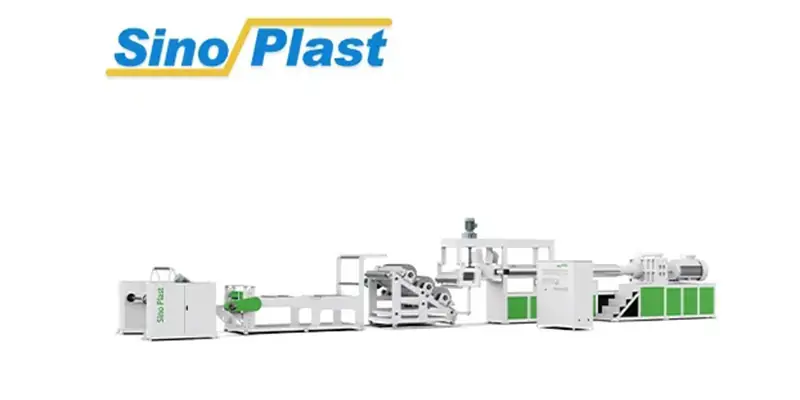
Daily meticulous maintenance is key to plastic extruders’ stable operation, prolonged service life, and high product quality. Ignoring minor abnormalities may lead to serious equipment failures or production disruptions over time. This guide outlines three core regular maintenance tasks—cleaning, lubrication, and inspection—to help you establish an efficient preventive maintenance system.
Cleaning eliminates residues that impact equipment performance and product quality.
Core Principle: Clean key components immediately post-production to avoid plastic melt cooling, hardening, or thermal degradation.
Key Operations:
•Screw & Barrel: Remove residual plastic thoroughly, especially dead corners prone to melt accumulation and carbonization.
•Die Head: Clean flow channels to prevent blockages from old material or carbides.
•Feeding System: Keep hoppers clean to avoid dust/impurity contamination of raw materials.
•Filters & Cooling System: Regularly replace/clean filters; ensure cooling pipelines/fans are debris-free for optimal efficiency.
Precautions:
•Avoid abrasive cleaners (may scratch precision parts).
•Use manufacturer-recommended cleaners/tools .
•Consequences of neglect: Carbonized residues cause product defects (spots, uneven thickness), accelerate screw/barrel wear, and reduce equipment ROI.
Proper lubrication of moving parts ensures smooth operation and prevents excessive wear/downtime.
Core Principle: Use the right lubricant on the right components at the right time.
Key Lubrication Points:
•Drive system (e.g., gearbox)
•Bearings (main shaft, roller, etc.)
•Other moving joints
Lubrication Schedule:
•Daily: Check oil levels; top up as needed.
•High-speed plastic sheet extruders: Re-lubricate key joints every 8-12 hours.
•Regular replacement: Follow the equipment manual for full oil/grease changes.
Precautions:
•Use only manufacturer-specified lubricants (incorrect types cause overheating, seizing, or accelerated wear).
•Prevent leakage into feeding/sheet production areas to avoid contamination.
Inspections monitor key parameters and outputs to address problems before escalation.
Core Principle: Verify optimal operation via data and sensory judgment.
Key Checks:
•Method: Compare set vs. actual temperatures of heating zones (barrel sections, die head).
•Standard: A 5°C deviation affects material melting and sheet uniformity—calibrate immediately.
•Method: Check motor current/load percentage on the control panel.
•Warning: Sudden spikes indicate possible screw/die blockages or raw material inconsistencies.
•Method: Regularly measure and inspect sheets.
•Items: Thickness uniformity, surface smoothness, color consistency.
•Key Role: Product defects (appearance/dimensions) signal internal issues (wear, uneven temperature)—conduct root cause analysis promptly.
To avoid reactive repairs, establish a structured maintenance timeline aligned with the extruder’s operating hours and manufacturer guidelines. Below is a practical breakdown of periodic tasks:
•Daily Maintenance: Clean the feed hopper, filter screens, and die outlet; check lubricant levels in the drive system; verify temperature control accuracy; inspect sheet quality for visible defects.
•Weekly Maintenance: Conduct a thorough cleaning of the screw and barrel (especially if switching between different material types); check the condition of V-belts, chains, and couplings for tightness and wear; test the emergency stop function and safety interlocks; drain any condensation from the cooling system.
•Monthly Maintenance: Calibrate the temperature and pressure sensors; inspect bearings for noise or overheating; clean the heat exchanger and cooling fans to ensure efficient heat dissipation; check the alignment of the screw and barrel to prevent uneven wear.
•Annual Maintenance: Perform a complete disassembly of key components (screw, barrel, die) for inspection and repair/replacement of worn parts; overhaul the gearbox and replace lubricants entirely; test the motor’s electrical connections and insulation; verify the accuracy of the thickness measurement system.
Even with regular maintenance, plastic sheet extruders may encounter minor issues. Recognizing warning signs and acting fast can minimize downtime:
•Sheet Surface Scratches: If the sheet has irregular scratches, first check the die for debris or worn components—clean the die thoroughly or replace damaged parts. If scratches persist, inspect the screw for scoring or deformation, as worn screws can transfer imperfections to the molten material.
•Decreased Production Output: A sudden drop in output often stems from two causes: either the raw material is insufficiently dried (moisture causes air pockets and reduces flowability) or the motor is underperforming. Dry the raw material to the recommended moisture content (typically below 0.05% for PP/PS) and check the motor’s voltage, current, and load capacity—consult an electrician if electrical issues are suspected.
•Sheet Thickness Unevenness: This issue usually relates to temperature inconsistencies in the barrel or die, or misalignment of the die lips. Recalibrate the temperature zones to ensure uniform heating and adjust the die lip gap for consistent thickness across the sheet width.
•Bubbles in the Sheet: Bubbles indicate moisture in the raw material or excessive heating. Re-dry the raw material and reduce the barrel temperature in the feeding zone to prevent premature melting and moisture vaporization.
Effective maintenance doesn’t have to be costly—smart planning can balance performance and budget:
•Strategic Spare Parts Stocking: Keep critical spare parts on hand to avoid long wait times for replacements. Prioritize parts with short lifespans or high failure rates, and work with reliable suppliers to ensure quality and affordability.
•Professional Training for Operators: Invest in training to help operators recognize early fault signs, perform basic maintenance tasks, and follow proper operating procedures. Well-trained staff are less likely to cause accidental damage and can resolve minor issues without calling external technicians.
•Avoid Over-Maintenance: Not all components need frequent servicing. Follow the manufacturer’s guidelines to avoid unnecessary disassembly or part replacement, which can increase costs and risk damaging precision components.
Maintaining plastic sheet extruders for long-term stable operation requires a combination of daily diligence, structured scheduling, and quick troubleshooting. By prioritizing cleaning, lubrication, and regular inspections, manufacturers can reduce downtime, improve sheet quality, and extend equipment lifespan—directly boosting productivity and profitability.
Ready to optimize your extruder maintenance routine? Contact SinoPlast for a free copy “Plastic Sheet Extruder Maintenance Checklist” to streamline your processes, or reach out to our technical experts for personalized guidance on equipment care.
This article was assisted by AI technology, with expert insights and industry experience integrated to ensure accuracy and practicality.
We are a professional plastic machinery provider in China.